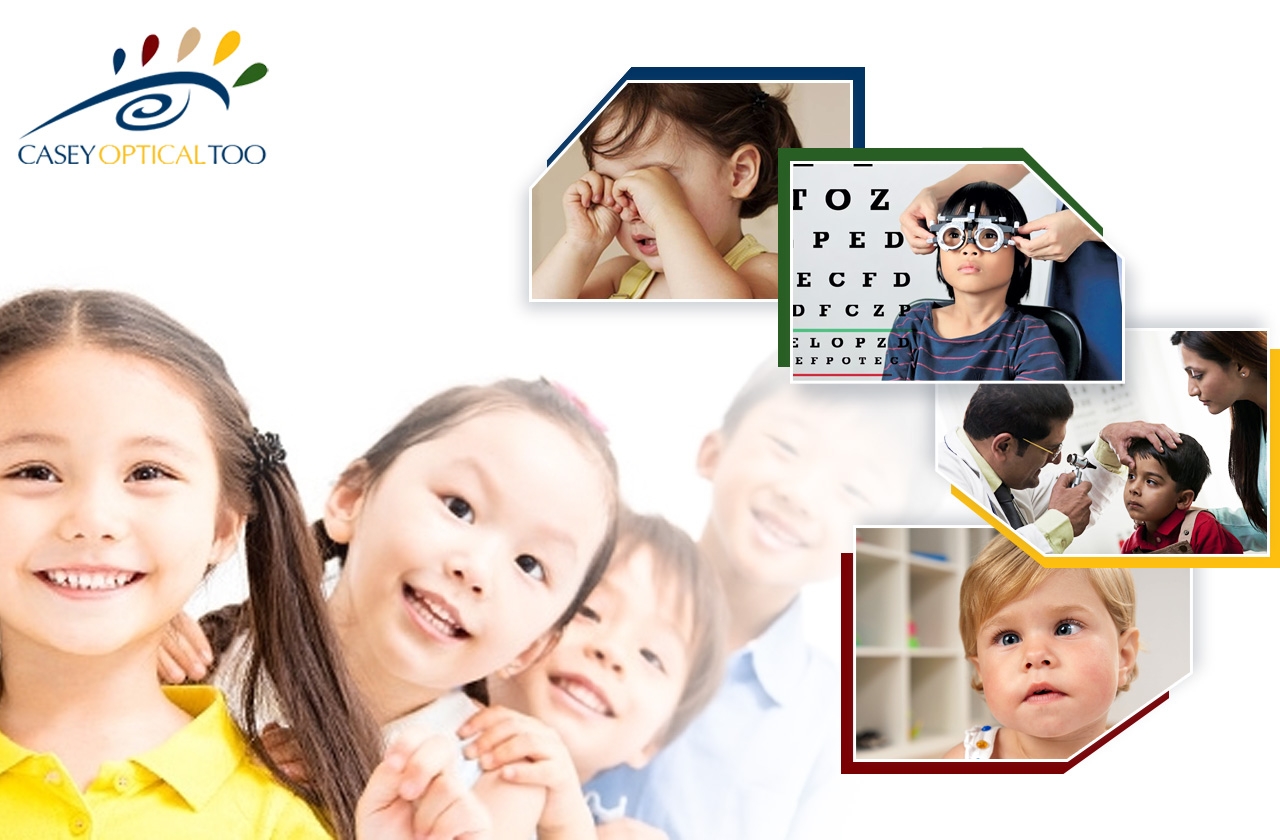
Taking care of our children's eye health is part of our parental duty to ensure their entire well-being. The development of children's vision is crucial to their performance in school and general well-being. During the school-age years, a number of eye-related issues may arise, and parents need to be watchful and aggressive in treating them. This article will examine a few of the most prevalent issues with eye care that school-age children face, along with their origins, signs, and available treatments.
Myopia (Nearsightedness)
Nearsightedness, or myopia, is one of the most common vision issues affecting school-age children. Children with this syndrome have trouble seeing objects that are far away clearly, yet objects that are close by stay in focus. Myopia is mostly brought on by a confluence of hereditary and environmental variables, and it can begin to develop in early childhood or worsen during the school years.
Symptoms:
- Frequently narrowing
- putting oneself too near to the screen or TV
- Having trouble reading the school's whiteboard
- frequent headaches or straining of the eyes
Treatment:
- Contact lenses or prescription glasses to correct vision
- Ortho-K (orthodontia) lenses that mold the cornea as you sleep
- Changes in lifestyle, such as going outside more and using screens less
Hyperopia (Farsightedness)
Another typical visual issue in school-age children is hyperopia, sometimes known as farsightedness. While distant items can still be plainly seen, nearby objects appear hazy. An excessively small eye shape, which makes it difficult for light to focus on the retina properly, is frequently the cause of hyperopia.
Symptoms:
- Reading or concentrating on things that need careful inspection
- headaches and eye discomfort frequently, especially when reading
- eye strain and exhaustion while studying
Treatment:
- Contact lenses or prescription glasses to correct vision
- Children with accommodative or convergence issues can benefit from vision therapy.
- Routine eye exams to track any prescription modifications
Amblyopia (Lazy eye)
Amblyopia, also referred to as "lazy eye," is a disorder in which one eye fails to grow normally in early childhood. It can happen for a number of causes, including strabismus (either crossed or misaligned eyes) or a notable variation in refractive error between the two eyes.
Symptoms:
- One eye's vision problems
- squinting or concealing one eye frequently
- Having trouble performing tasks that call upon depth perception
Treatment:
- Using atropine drops or patches to motivate the lazy eye to function more
- Treatment with vision to enhance eye coordination
- For treatment to be successful, early detection and action are essential.
Strabismus (Crossed or misaligned eyes)
The disorder known as strabismus causes the eyes not to function together and not align properly. If left untreated, this misalignment—which can be intermittent or continuous—may result in amblyopia.
Symptoms:
- Crossed or misaligned eyes
- Dual perception
- Coordination and depth perception issues
Treatment:
- Treatment with vision to enhance eye coordination
- Sometimes, eye muscle surgery
- Contact lenses or corrective eyewear to treat specific strabismus types
Convergence insufficiency
A frequent issue with eye coordination called convergence insufficiency causes trouble focusing on close objects and maintaining concentration for prolonged periods. It can seriously affect a child's capacity for close-up work and reading.
Symptoms:
- During reading, eye strain, weariness, and discomfort
- Headaches or impaired vision frequently, especially while working up close
- Dual perception
Treatment:
- Utilizing vision therapy to enhance concentration and convergence
- To reduce symptoms, use bifocals or reading glasses.
- Routine eye exams to track development
Computer vision syndrome
Children of school age are spending more time than ever on computers, tablets, and cell phones in this digital age. Computer vision syndrome, a group of issues relating to eyes and vision brought on by extended screen use, may result from this increased screen time.
Symptoms:
- Dryness, discomfort, or strain in the eyes
- Blurry eyesight
- Migraines
- shoulder and cervical aches
Prevention and treatment:
- Observe the 20-20-20 rule: every 20 minutes, take a 20-second break and concentrate on something 20 feet away.
- Ascertain appropriate screen placement and ergonomics.
- In order to cut down on screen time, promote frequent outside activities.
Allergic conjunctivitis
Children of school age frequently suffer from allergic conjunctivitis, especially during allergy seasons. Allergens trigger an allergic reaction in the eyes, resulting in redness, irritation, and watering.
Symptoms:
- Watery, red, and itchy eyes
- inflammation of the eyelids
- Exposure to light
Treatment:
- Recognizing and preventing allergies
- Prescription or over-the-counter antihistamine eye drops
- Apply cold compresses to relieve irritated eyes.
Refractive errors
In school-age children, refractive problems, including astigmatism, hyperopia, and myopia, are frequent. These disorders stem from a defect in the lens's capacity to concentrate light.
Symptoms:
- Blurry eyesight
- Strain or pain in the eyes
- Frequently narrowing
Treatment:
- Contact lenses or prescription glasses
- Routine eye exams to keep an eye out for any eyesight changes
Eye infections
Due to close contact with classmates and the sharing of common areas and objects, school-age children are susceptible to eye diseases such as styes and conjunctivitis (pink eye).
Symptoms:
- Vibration of the eyes
- Ocular discharge
- Itching or unease
- inflammation of the eyelids
Treatment:
- Use of antibiotic eye drops or ointments for bacterial infections
- Most cases of viral conjunctivitis go away on their own. However, supportive treatment may be needed.
- Maintaining proper hygiene, which includes washing your hands and not touching your eyes, can help stop infections.
Vision-related learning problems
Untreated or underdiagnosed visual issues might affect a child's intellectual progress. Youngsters may find it difficult to read, write, and complete other school assignments, which can cause them to become frustrated and lose confidence.
Symptoms:
- Tracking words when reading is difficult
- Often getting lost in the words when reading
- Reading slowly or ineffectively
- avoiding reading or doing your assignment
Treatment:
- Thorough examinations of the eyes to identify and treat visual issues
- Using vision therapy to enhance reading and learning
- cooperation to support the child's learning requirements amongst educators, parents, and optometrists
Conclusion
As parents, it's our responsibility to prioritize our children's eye health. Regular eye examinations, open communication with your child about any eye discomfort or vision issues, and promoting a healthy lifestyle that includes outdoor activities can go a long way in ensuring their visual well-being. By being informed about common eye care problems in school-age children and their potential treatments, we can help our kids enjoy a brighter and clearer future, both inside and outside the classroom. If you have concerns about your child's eyesight, consult with an eye care professional to address any issues promptly and ensure their vision is in the best possible condition.
Clear Perspective EyeCare, LLC is a pillar of vision care excellence in Albuquerque. We invite you to experience our warm and welcoming environment and schedule an appointment with the best optometrists in Albuquerque, New Mexico. Your vision is our priority, and we look forward to serving your eye care needs with the utmost dedication and expertise.
Categories
Recent Posts
- Back-to-School Eye Exam Checklist: Set Your Child Up for Success This School Year
- What Makes Contact Lenses More Comfortable? | Clear Perspective EyeCare
- Why Do Dry Eyes Get Worse During Summer?
- The Importance of Regular Eye Exams: More Than Just Clear Vision
- Lucyd Smart Frames: The Future of Smart Glasses?
Archive
- July 2026
- June 2026
- April 2026
- March 2026
- February 2026
- January 2026
- December 2025
- November 2025
- October 2025
- September 2025
- August 2025
- July 2025
- June 2025
- May 2025
- April 2025
- August 2024
- July 2024
- June 2024
- May 2024
- April 2024
- March 2024
- February 2024
- January 2024
- December 2023
- November 2023
- October 2023
- September 2023
- August 2023
- July 2023
- June 2023
- May 2023
- April 2023
- March 2023
- February 2023
- February 2021
- January 2021
- December 2020