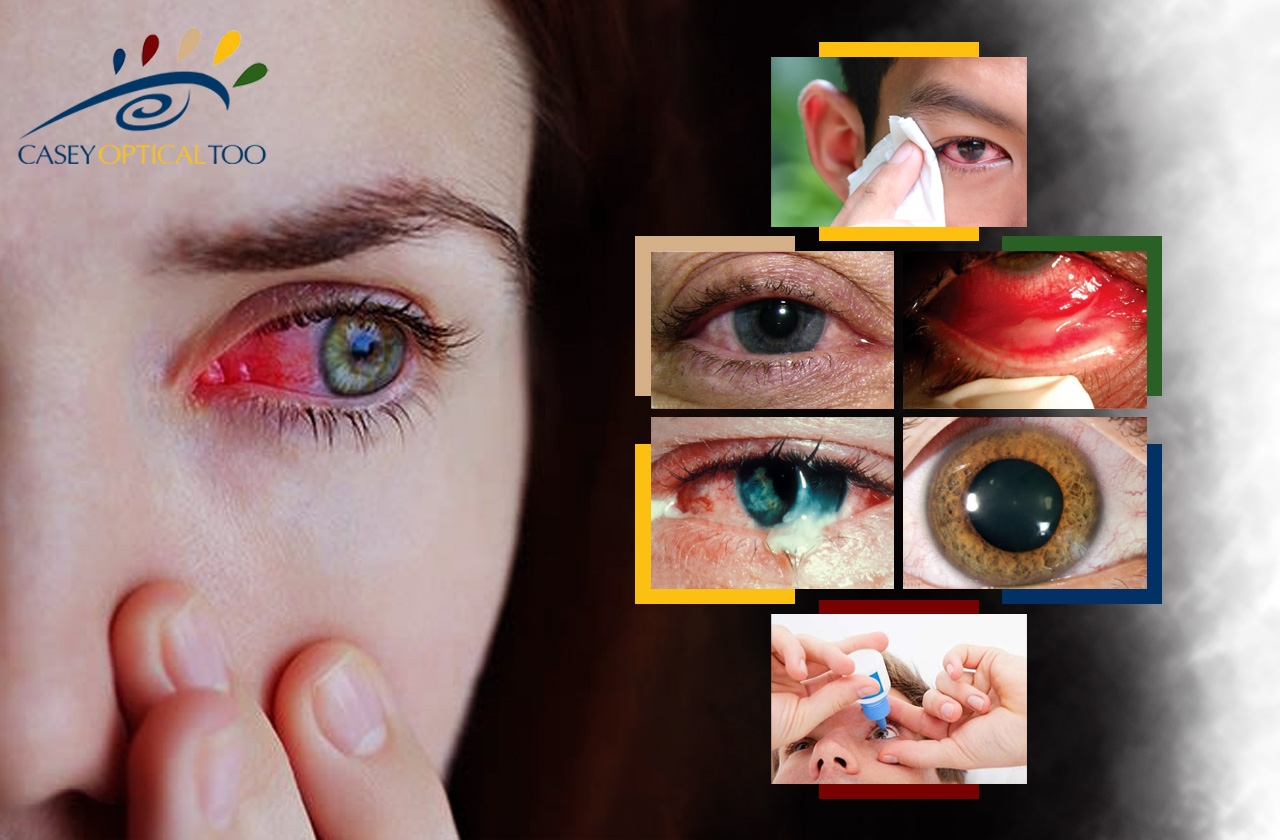
The COVID-19 pandemic has made us more aware of the virus's numerous symptoms. There has been discussion regarding whether allergies or a coronavirus infection are more likely to cause red eyes, also called "pink eye" or conjunctivitis. This in-depth guide will cover red eyes as a symptom, possible causes, and how to tell the difference between red eyes brought on by COVID-19 and those brought on by allergies.
Overview of red eyes
When the blood vessels in the conjunctiva—the thin, transparent layer covering the white component of the eye (sclera)—become inflamed or dilated, red eyes—medically known as conjunctival injection—occur. The eyes may appear pink, crimson, or bloodshot due to this. Infections, allergies, environmental irritants, and underlying medical disorders are just a few causes of red eyes.
COVID-19 and red eyes
The COVID-19 pandemic has raised awareness of several symptoms that the virus could bring on. Even though respiratory symptoms, including coughing, fever, and shortness of breath, are well-known COVID-19 signs, red eyes have been observed in conjunction with other COVID-19 symptoms.
How frequently do COVID-19 red eyes occur?
Red eyes are not one of the most typical COVID-19 symptoms. The World Health Organization, or WHO, and the Centers for the Control of Diseases (CDC) list respiratory symptoms, such as cough, fever, and breathing issues, as the virus' primary and most widespread warning signals. Red eyes are just a few symptoms that a small percentage of COVID-19 patients have experienced.
Red eyes as a COVID-19 Symptom
Red eyes are a symptom that COVID-19 patients sometimes experience, but the cause of this symptom is still being studied. It's important to remember that COVID-19-related red eyes frequently coexist with other symptoms like fever, coughing, and a loss of taste or smell. Red eyes may occasionally be the first sign of the illness.
Eye inflammation in COVID-19
Pink eye, also known as conjunctivitis, is an inflammation of the conjunctiva that can result in eye redness, irritation, and discharge. Although conjunctivitis is a recognized COVID-19 symptom, it is less common than respiratory symptoms. If you have red eyes and other COVID-19 symptoms, you should see a doctor immediately so they can conduct the necessary evaluations and tests.
Allergies and red eyes
A common allergy symptom, in particular allergic conjunctivitis, is red eyes. When the eyes react to allergens like pollen, pet dander, dust mites, or specific foods, allergic conjunctivitis develops. This allergic reaction may result in conjunctival edema, conjunctival redness, itching, and watery eyes.
Types of allergic conjunctivitis
There are several types of allergic conjunctivitis, including:
- Seasonal allergic conjunctivitis: Pollen in the spring or fall is one example of an allergen that can cause this conjunctivitis.
- Perennial allergic conjunctivitis: This type of conjunctivitis is year-round and typically brought on by indoor allergens like dust mites, pet dander, or mold.
- Vernal keratoconjunctivitis: Vernal conjunctivitis is a severe allergic eye disease primarily affecting young people. It often occurs seasonally and can lead to significant discomfort.
- Giant papillary conjunctivitis: Giant papillary conjunctivitis is typically associated with contact lens use. It can cause red eyes, itching, and the formation of large bumps on the inner surface of the eyelids.
Differentiating allergic conjunctivitis from COVID-19
Distinguishing between red eyes caused by allergies and COVID-19 can be challenging, as symptoms overlap. Here are some key factors to consider:
-
Accompanying symptoms: Symptoms that typically accompany allergic conjunctivitis include sneezing, runny noses, and itching, either in the eyes or elsewhere on the body. COVID-19, on the other hand, is more likely to present with respiratory symptoms, a fever, and loss of taste or smell.
- Exposure to allergens: Consider whether you've been exposed to known allergens. If your red eyes coincide with the arrival of allergy season or exposure to specific allergens, it's more likely to be allergic conjunctivitis.
- Contact history: Red eyes could be a more hazardous COVID-19 sign if you recently visited a high-risk area or were near someone who tested positive for the virus.
- Duration of symptoms: Allergic conjunctivitis symptoms tend to persist as long as you're exposed to the allergen. In contrast, COVID-19 symptoms may evolve, with respiratory symptoms often worsening after the initial onset.
- Testing and medical evaluation: If you are unsure about the cause of your red eyes and suspect COVID-19, getting tested for the virus is essential. For a complete assessment and the relevant testing, consult a healthcare expert.
Treatment for red eyes
The treatment for red eyes varies depending on the underlying cause:
Treatment for allergic conjunctivitis
- Allergen avoidance: If allergies trigger your red eyes, the first step is identifying and minimizing exposure to the allergens responsible for your symptoms.
- Over-the-counter (OTC) antihistamine eye drops: OTC antihistamine eye drops can relieve itching and redness. Some examples include ketotifen (Zaditor) and olopatadine (Patanol).
- Prescription medications: An eye specialist may recommend prescription medications like corticosteroid eye drops or mast cell stabilizers in severe or persistent allergic conjunctivitis cases.
- Cold compresses: Applying a cold compress to your closed eyelids can help reduce redness and soothe irritated eyes.
- Artificial tears: Lubricating eye drops can alleviate dryness and discomfort associated with red eyes.
Treatment for conjunctivitis in COVID-19
-
COVID-19 management: If you experience red eyes along with other COVID-19 symptoms, it's crucial to follow appropriate medical guidance for COVID-19 management, which may include isolation and medical care as needed.
- Consult a healthcare professional: If you suspect red eyes may be related to COVID-19, seek medical advice and testing to confirm the diagnosis.
When to seek medical attention
Regardless of the cause, red eyes accompanied by severe symptoms or vision changes should prompt immediate medical attention. Additionally, if you experience any respiratory symptoms or have been in contact with a confirmed COVID-19 case, consult a healthcare professional for COVID-19 testing and evaluation.
Conclusion
Red eyes can be a concerning symptom, especially during the COVID-19 pandemic. Although COVID-19 has been associated with red eyes, allergic conjunctivitis due to allergens like pollen, dust, or pet dander is more frequently the cause. To differentiate between the two, consider accompanying symptoms and exposure history, and consult a healthcare professional for proper evaluation and testing. In any case, seeking medical attention is critical if you have red eyes to guarantee a prompt diagnosis and the best possible care.
Clear Perspective EyeCare, LLC is a pillar of high-quality vision care in Albuquerque, NM. Our comprehensive services ensure that all your eye care needs are met excellently. Don't wait any longer to experience the warmth and professionalism of our optometrists—schedule your appointment today and discover personalized care that prioritizes your vision and well-being.
Categories
Recent Posts
- Back-to-School Eye Exam Checklist: Set Your Child Up for Success This School Year
- What Makes Contact Lenses More Comfortable? | Clear Perspective EyeCare
- Why Do Dry Eyes Get Worse During Summer?
- The Importance of Regular Eye Exams: More Than Just Clear Vision
- Lucyd Smart Frames: The Future of Smart Glasses?
Archive
- July 2026
- June 2026
- April 2026
- March 2026
- February 2026
- January 2026
- December 2025
- November 2025
- October 2025
- September 2025
- August 2025
- July 2025
- June 2025
- May 2025
- April 2025
- August 2024
- July 2024
- June 2024
- May 2024
- April 2024
- March 2024
- February 2024
- January 2024
- December 2023
- November 2023
- October 2023
- September 2023
- August 2023
- July 2023
- June 2023
- May 2023
- April 2023
- March 2023
- February 2023
- February 2021
- January 2021
- December 2020